How to Handle Mold in Basement Wall Problems Before They Spread
Finding mold in basement wall surfaces can feel like a quiet emergency. You catch that musty scent first, maybe after a heavy rain, and then you spot the discoloration creeping up from the floor. I have seen this scenario play out in dozens of homes across Boston, and the reaction is almost always the same: a mix of worry and uncertainty about what to do next. The good news is that most basement mold issues are manageable if you catch them early and approach the problem methodically. The bad news is that ignoring it or using the wrong cleanup method usually makes things worse.
Why Basements Are Prime Real Estate for Mold
Basements are naturally damp environments. Concrete floors and basement foundation walls wick moisture from the surrounding soil, especially in older homes that lack a modern vapor barrier. Add in a little condensation from pipes or an uninsulated wall cavity, and you have the perfect conditions for mold spores to settle in. The result is often black mold or mildew forming on drywall, fiberglass insulation, or even on the concrete itself. I have crawled through enough crawl spaces and finished basements to know that water intrusion is the root cause in nine out of ten cases. Until you stop the source of that moisture, any cleaning is just a temporary fix.
First Steps When You Spot Mold
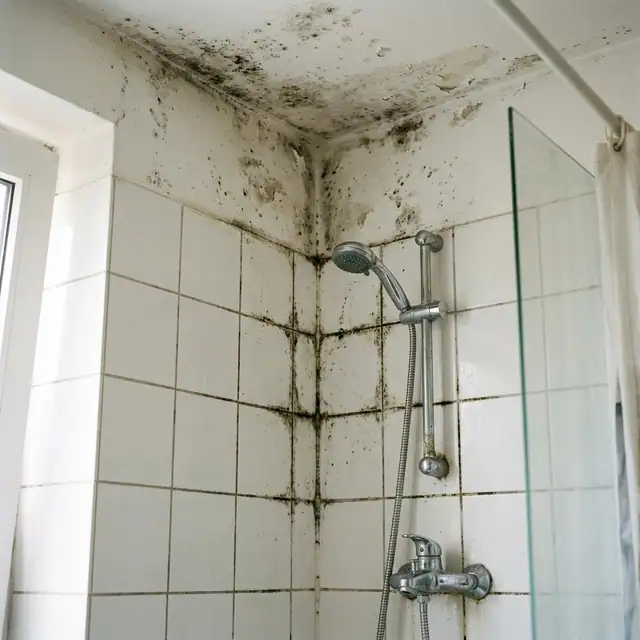
The moment you see mold in basement wall areas, your instinct might be to grab bleach and start scrubbing. I have done it myself, and I can tell you it is rarely the right move. Bleach kills surface mold on non-porous surfaces like tile, but on porous materials like drywall or wood, the bleach stays on top. The mold roots, called hyphae, remain alive below the surface and will grow back within weeks. A better first step is to contain the area. Close off the basement and run an exhaust fan pointing outside to keep spores from drifting upstairs. If you have a HEPA vacuum, run it over the affected surfaces to capture loose spores before you do anything wet. This is also a good time to grab a mold test kit if you want to know exactly what species you are dealing with. The results can help you decide whether to DIY or call in professionals for full mold remediation.
Assessing the Damage
Not every patch of mold requires a full remediation crew. If the mold is limited to a small area on a non-porous surface like a concrete wall, and the moisture problem is already fixed, you can often handle it yourself with vinegar or a commercial mold cleaner. Vinegar is mildly acidic and kills many common molds on contact without the harsh fumes of bleach. But if the mold in basement wall has spread behind the drywall or into fiberglass insulation, the situation is more serious. I once helped a homeowner in a South End row house who had black mold growing inside the wall cavity for months before they noticed. By then, the drywall was soft and the insulation was ruined. The only real solution was to cut out the affected materials, treat the framing, and rebuild with moisture-resistant materials. That is a job for experienced mold remediation pros, especially if you have any concerns about airborne spores affecting your family's health.
Drying and Preventing Future Growth
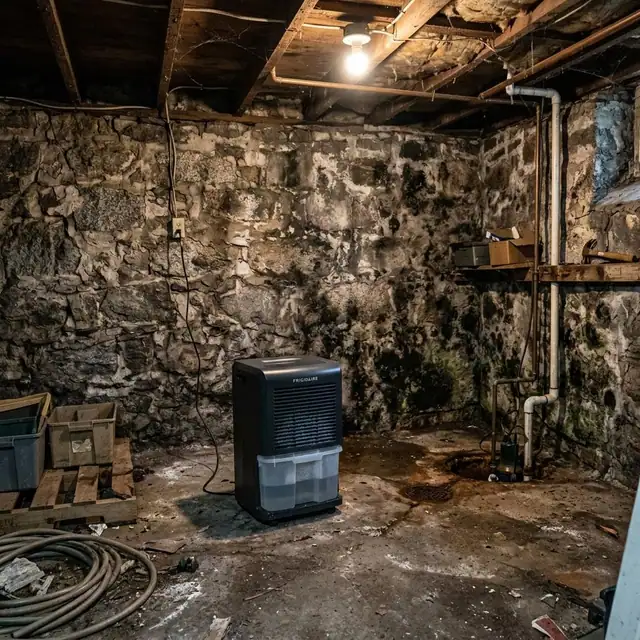
Once you remove the moldy materials, the next step is to dry everything out thoroughly. This is where a dehumidifier becomes your best friend. In a humid basement, especially during Boston's muggy summers, a dehumidifier running continuously can keep relative humidity below 50 percent, which is the threshold most molds need to grow. I recommend placing it near the dampest corner and emptying the reservoir daily, or better yet, hook it up to a floor drain. An air scrubber with a HEPA filter can also help clear the air of any lingering spores while you work. After the space is dry, consider applying a concrete sealer to the basement foundation walls. This creates a barrier that reduces moisture vapor transmission through the concrete. It is not a substitute for fixing a leaking wall, but it does make the environment less hospitable to mold.
Encapsulation vs. Removal
There is a technique called encapsulation that some contractors use on stubborn mold stains on concrete or treated wood. Encapsulation means painting over the mold with a special coating that seals the spores in place. It can work in crawl spaces or unfinished storage areas where you do not care about the appearance, but I do not recommend it for living spaces. Encapsulation only lasts as long as the coating stays intact. If the sealant cracks or the moisture returns, the mold can push right through. For finished basements where people spend time, full removal is always the safer and more permanent option. That means cutting out contaminated drywall, bagging it carefully, and treating the studs and subfloor with an antimicrobial solution before rebuilding.
When to Call the Pros
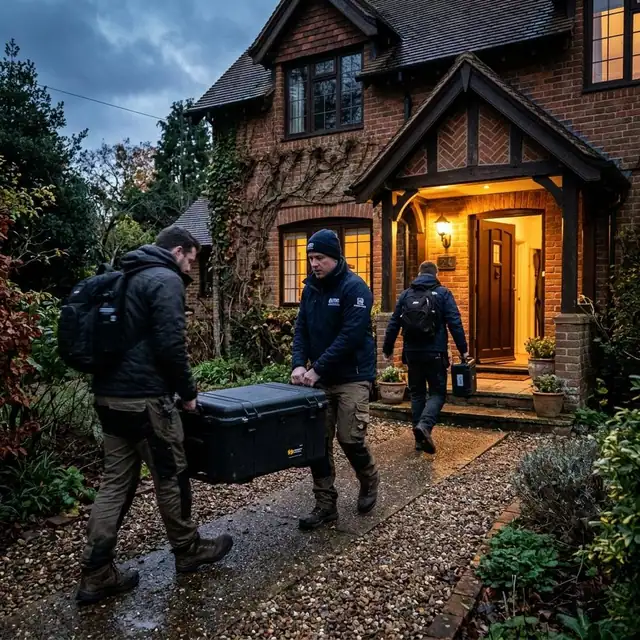
There are a few clear signs that you need professional mold remediation rather than a DIY approach:
- The affected area is larger than about three square feet.
- You can see mold growing inside the wall cavity or behind fiberglass insulation.
- Someone in the household has asthma, allergies, or a compromised immune system.
- The mold keeps coming back despite your best drying and cleaning efforts.
- You smell a strong musty odor but cannot see the source, which often means hidden growth inside the walls or under the floor.
Professionals bring equipment that most homeowners do not have access to, including commercial air scrubbers, HEPA vacuums rated for mold, and negative air pressure setups that prevent spores from spreading to the rest of the house. They also know how to safely contain and dispose of contaminated materials, which is especially important if you are dealing with black mold that has colonized a large area.
Long-Term Prevention Strategies
Once you have dealt with the immediate mold problem, the real work begins: keeping it from coming back. Start by inspecting the outside of your home. Make sure gutters and downspouts are directing water away from the foundation. If you have a basement window well, keep it clear of leaves and debris. Inside the basement, check for condensation on cold water pipes and insulate them if needed. A vapor barrier on the interior side of the basement walls can also help, especially in older homes where the foundation was never treated. If your basement has a crawl space, make sure it is properly vented and that the ground cover includes a plastic vapor barrier to reduce moisture rising from the soil. These steps will not make your basement completely immune to mold, but they will dramatically reduce the odds of a serious recurrence.
Products That Actually Help
I get asked a lot about specific products and whether they are worth the money. A good dehumidifier is worth every penny if you live in a damp climate. Look for one with a built-in pump so you can drain it continuously. For cleaning small spots, a spray bottle with white vinegar is cheap and effective. For larger areas, a commercial mold cleaner that lists specific mold-killing ingredients is a better bet. Avoid the temptation to mix bleach with anything else; the fumes can be toxic. If you decide to repaint after remediation, use a paint that contains a mildewcide additive. And if you are still worried about hidden mold, a mold test kit from a hardware store can give you peace of mind or confirm that you need to dig deeper.
Final Thoughts on Basement Mold
Mold in basement wall problems are common, but they are not something to panic over. With a clear head and a systematic approach, you can identify the source, remove the growth safely, and take steps to prevent it from returning. Whether you handle it yourself or bring in a remediation team, the key is to act before the mold spreads into the rest of the house. I have seen too many homeowners wait, hoping the smell would go away on its own. It never does. The mold just gets more established, and the repair gets more expensive. So if you see that first spot, deal with it. Your basement - and your lungs - will thank you.